Fix It Right Plumbing

Plumbing Services in Australia

Fix It Right Plumbing Logo
✆ Call Us
  • Fix It Right Plumbing Logo
  • Reviews
  • Areas We Service
    • Geelong
      • Barwon Heads
      • Clifton Springs
      • Corio
      • Drysdale
      • Highton
      • Jan Juc
      • Lara
      • Leopold
      • Newcomb
      • Ocean Grove
      • Point Lonsdale
      • Portarlington
      • Queenscliff
      • Torquay
      • Waurn Ponds
      • Whittington
      • Saint Leonards
    • Bayside Suburbs
      • Aspendale
      • Beaumaris
      • Black Rock
      • Chelsea
      • Cheltenham
      • Frankston
      • Hampton
      • Highett
      • Mentone
      • Moorabbin
      • Mordialloc
      • Ormond
      • Parkdale
      • Patterson Lakes
      • Sandringham
      • Seaford
    • Northern Suburbs
      • Ascot Vale
      • Brunswick
      • Bundoora
      • Coburg
      • Doncaster
      • Donvale
      • Eltham
      • Essendon
      • Fitzroy
      • Flemington
      • Greensborough
      • Ivanhoe
      • Kensington
      • Montmorency
      • Moonee Ponds
      • Northcote
      • Nunawading
      • Preston
      • Research
      • Reservoir
      • Rosanna
      • Templestowe
      • Thornbury
      • Epping
      • Sunbury
      • Craigieburn
    • Melbourne
      • Abbotsford
      • Albert Park
      • Alphington
      • Bentleigh
      • Brighton
      • Carlton
      • Caulfield
      • Collingwood
      • Elsternwick
      • Elwood
      • Hawthorn
      • Kew
      • Malvern
      • Middle Park
      • Parkville
      • Prahran
      • Richmond
      • South Yarra
      • St Kilda
      • Toorak
    • Eastern Suburbs
      • Ashwood
      • Bayswater
      • Belgrave
      • Berwick
      • Boronia
      • Box Hill
      • Burwood
      • Chadstone
      • Chirnside Park
      • Clayton
      • Croydon
      • Dandenong
      • Endeavour Hills
      • Ferntree Gully
      • Glen Waverley
      • Hallam
      • Heathmont
      • Keysborough
      • Kilsyth
      • Lilydale
      • Montrose
      • Mooroolbark
      • Mount Waverley
      • Narre Warren
      • Noble Park
      • Oakleigh
      • Park Orchards
      • Ringwood
      • Rowville
      • Scoresby
      • Springvale
      • Surrey Hills
      • Upwey
      • Vermont
      • Wantirna
      • Warrandyte
      • Warranwood
      • Wheelers Hill
      • Armadale
      • Camberwell
      • Knox
      • Viewbank
      • Pakenham
    • Western Suburbs
      • Altona
      • Altona Meadows
      • Derrimut
      • Footscray
      • Hoppers Crossing
      • Kingsville
      • Laverton
      • Maribyrnong
      • Newport
      • Pascoe Vale
      • Point Cook
      • Port Melbourne
      • Seddon
      • Strathmore
      • Sunshine
      • Truganina
      • Werribee
      • Williamstown
      • Yarraville
    • Plumber Mornington
      • Balnarring
      • Blairgowrie
      • Botanic Ridge
      • Carrum Downs
      • Cranbourne
      • Hastings
      • Langwarrin
      • Lynbrook
      • Mornington
      • Mount Eliza
      • Mount Martha
      • Pearcedale
      • Portsea
      • Red Hill
      • Rosebud
      • Rye
      • Somerville
      • Flinders
      • Baxter
      • Tyabb
      • Dromana
      • Sorrento
      • Tooradin
      • Skye
    • Canberra
      • Aranda
      • Banks
      • Belconnen
      • Bonython
      • Braddon
      • Bruce
      • Calwell
      • Campbell
      • Casey
      • Charnwood
      • Conder
      • Cook
      • Coombs
      • Dickson
      • Duffy
      • Dunlop
      • Fadden
      • Florey
      • Flynn
      • Forde
      • Franklin
      • Fraser
      • Garran
      • Giralang
      • Gordon
      • Gowrie
      • Greenway
      • Gungahlin
      • Hackett
      • Harrison
      • Higgins
      • Holder
      • Holt
      • Isabella Plains
      • Kaleen
      • Kambah
      • Latham
      • Lawson
      • Lyneham
      • MacGregor
      • Macquarie
      • Manuka
      • Mawson
      • McKellar
      • Monash
      • Moncrieff
      • Murrumbateman
      • Ngunnawal
      • Nicholls
      • Page
      • Queanbeyan
      • Red Hill
      • Scullin
      • Spence
      • Tuggeranong
      • Wanniassa
      • Watson
      • Weetangera
      • Weston Creek
      • Woden
      • Yarralumla
    • Ballarat
  • About
    • Meet the team
    • Total Care Membership
    • FAQ
    • Blog
    • Join Our Team
    • Privacy Policy
    • Offer Terms & Conditions
    • Website Terms and Conditions
  • Contact Us

DIY Drain Snake Fails (And How To Avoid Them)

By Richard Foster

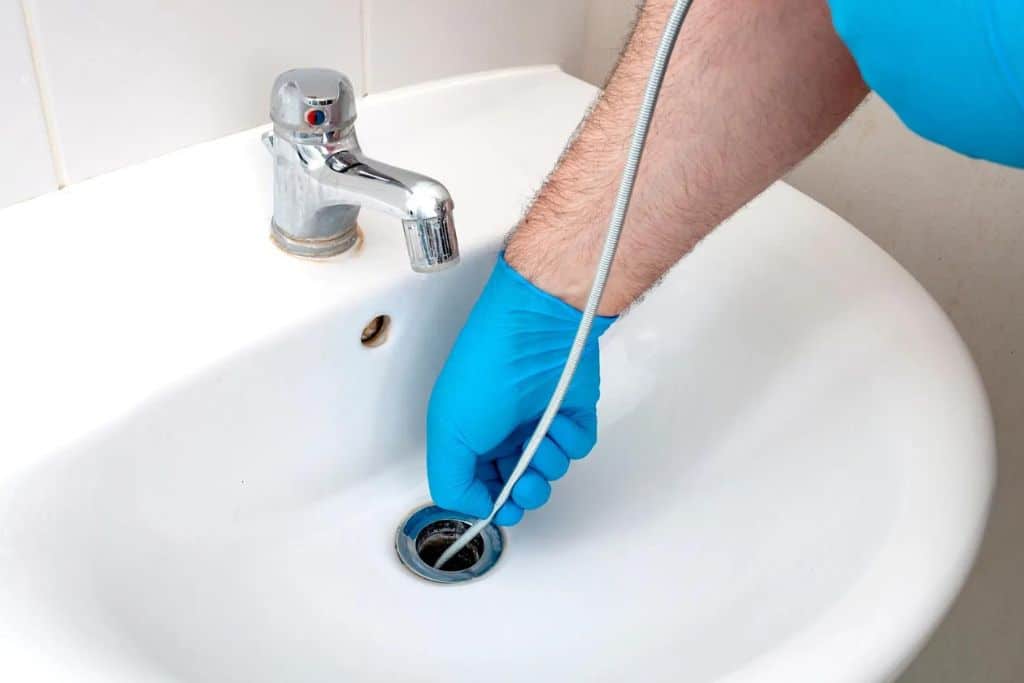
Drain snake mistakes

We’ve all been faced with a stubborn blockage in a sink or drain from time to time – but you may have been reluctant to learn how to use a drain snake. In fact, you may not even have known what a drain snake is!

A drain snake – also called a drain auger or plumbing snake – is a really handy DIY tool for clearing basic clogs without calling in a professional plumber. It’s inexpensive, easy to use, and widely available in hardware stores. But, like any tool, there’s a right way – and plenty of wrong ways – to use it.

Our guide will quickly walk you through exactly what a drain snake is, how to use one correctly, and then help you avoid the most common pitfalls. Don’t worry – if all else fails, your local plumbers at Fix-It Right can help.

But first, let’s dive in!

First things first – What is a drain snake?

Simply put, a plumbing snake is a slender, flexible cable made of coiled metal – usually steel – with a handle at one end and a corkscrew-like auger at the other. When you notice signs of a blocked drain like slow draining or gurgling, it’s time top whip out the drain snake. You push this cable down into your drain, spin it with the handle, and break up or extract whatever’s blocking your pipes. Simple, right?

Quick guide on how to snake a drain correctly

Before we jump into the common mistakes, here’s a quick refresher on properly using your manual drain snake:

  • Insert the snake’s auger tip into your drain.
  • Rotate the handle clockwise to extend the auger further down.
  • Keep turning until you feel resistance (the clog).
  • Break up or retrieve the clog by twisting gently and pulling the snake back slowly.

That’s the short and easy version of how to use drain snake tools effectively. Now, let’s explore the common mistakes DIY enthusiasts so often make when tackling blocked drains.

7 Common drain snake mistakes to avoid

Before you reach for that drain snake, make sure you’re not setting yourself up for one of these all-too-common DIY mistakes:

1. Using excessive force

One of the biggest mistakes made by beginners figuring out how to use a drain auger is applying too much force. Pushing too hard or forcing the snake can damage your pipes, leading to costly repairs.

Let the auger’s coil do the work, because gentle, consistent pressure is all you need.

2. Incorrectly choosing your drain snake

Don’t forget that drain snakes come in various shapes and sizes. For example, a sink snake is specifically designed for smaller pipes found in kitchen or bathroom sinks, while larger pipes require a sturdier, longer snake.

Choosing the wrong snake, such as a lightweight kinetic drain auger for a heavy blockage, can result in ineffective clog removal or damage to the snake itself.

3. Not cleaning the snake after use

A plumbers snake often retrieves unpleasant materials from drains, including hair, soap scum, and food particles. And too many people forget to clean their snake thoroughly after use.

Not only is this unhygienic, but it also reduces the snake’s effectiveness in the future and could spread bacteria around your home.

4. Skipping protective gear

It’s easy to underestimate how messy using a drain snake can be.

So, always wear rubber gloves and safety glasses when learning those ‘drain auger how to use’ instructions for the first time. It will protect you from harmful bacteria and accidental splashes from drain contents.

5. Not confirming the type of blockage

Some DIY users think a snake solves every clog. However, before learning how to use drain cleaner tools like snakes, confirm what’s blocking your drain.

Snakes work best for solid blockages (like hair or soap scum). If your blockage involves grease build-up, chemical solutions might be required first, or you might need professional help.

6. Forcing past pipe bends

Plumbing pipes contain several bends to regulate water flow. When learning how to use coiled drain and sink cleaner tools, never force the snake through bends.

If you encounter resistance at bends, slowly retract the snake slightly and rotate gently until it naturally moves through.

7. Rushing the process

Patience is crucial when using a drain auger. People frequently become frustrated if they don’t immediately reach the clog and start twisting aggressively.

Instead, slowly feed the snake through the pipe, carefully feeling for obstructions. Slow, steady progress always yields better results than rushed attempts.

When DIY isn’t enough – How pros handle tough clogs

It’s important to realise that drain snakes sold for DIY use differ significantly from professional plumbing tools. Professional plumbers use powered plumbing snakes – confusingly also known as plumber snakes – which are often powerfully motorised and capable of handling serious clogs far beyond standard DIY versions.

Professional tools include:

Motorised Drain Snakes: These heavy-duty snakes quickly cut through tough blockages, roots, and hardened debris.

High-Pressure Water Jetters: A powerful alternative that blasts water to clear blockages completely, leaving pipes spotless.

Advanced CCTV Cameras: Used to visually inspect the inside of your pipes, identifying precisely what’s causing your blockage.

When facing persistent clogs, professional plumbers not only remove the blockage but also diagnose underlying issues in your plumbing system. This proactive approach can save you considerable trouble and money in the long run.

When to call Fix-It Right Plumbing

While knowing how to use drain snake tools can help solve simple plumbing issues, some clogs are beyond any and all DIY methods. Repeated blockages, stubborn drains, or signs of severe plumbing problems require professional intervention, and Fix-It Right Plumbing is here to help!

Whether you’re looking for Melbourne blocked drain plumbers, Geelong drain cleaning experts, or Canberra drainage specialists, our friendly team of expert plumbers is equipped with state-of-the-art technology to handle even the toughest clogs effectively and efficiently. We:

  • Assess your plumbing thoroughly
  • Clear blockages safely
  • And offer solutions to prevent future issues.

Don’t let your plumbing problem worsen – contact the professionals to get it done right the first time. If you’re ready for reliable and professional plumbing help, call Fix-It Right Plumbing today to experience hassle-free plumbing solutions you can trust.
Sitemap

Filed Under: Blocked Drains, How to guide

6 DIY Drain Cleaning Tools (And 5 More Used By The Pros!)

By Richard Foster

drain cleaning tools used by plumbers
Blocked drains are one of the most common (and annoying) plumbing issues Aussie homeowners face. Whether it’s a slow-draining sink, a gurgling shower, or a full-on overflow nightmare in the backyard, having the right drain cleaning tools on hand can make all the difference between a quick fix and a massive headache.

But not every blockage is the same – and not every tool suits every situation. In this easy guide, we’ll walk you through the most common DIY tools people use at home to unblock drains, and then we’ll show you the professional equipment plumbers might bring in when the tough jobs just need that something extra.

DIY drain cleaning tools: What you can use at home

Dealing with a minor clog and want to try clearing it yourself before calling a plumber? These are the basic tools you can try that can be surprisingly effective.

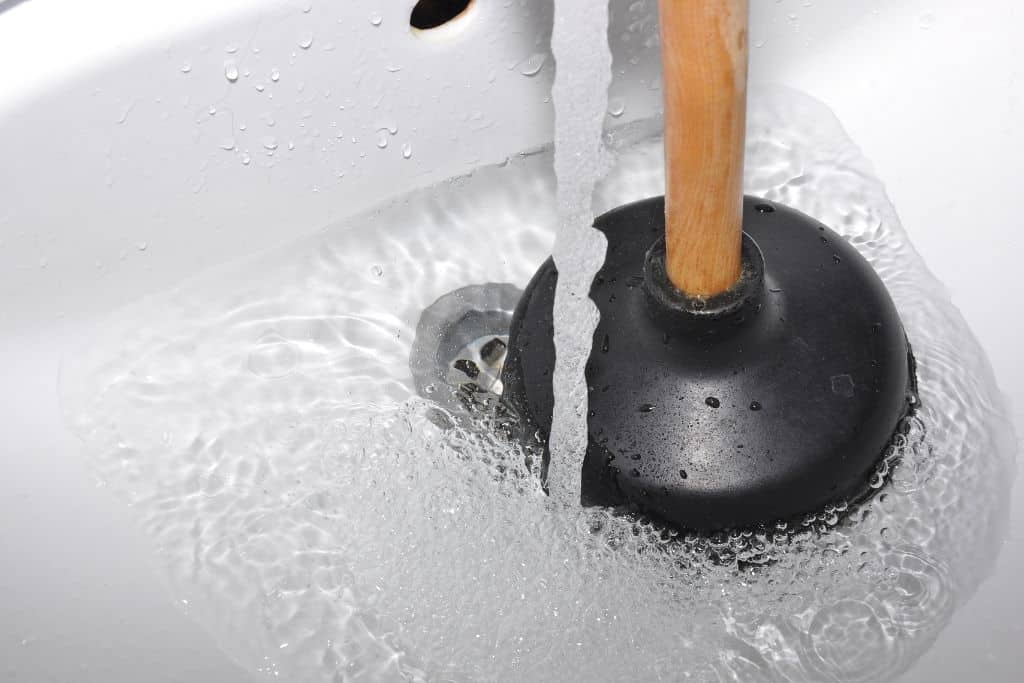
1. Plunger

The classic and the best first line of defence! A good-quality plunger creates suction over the drain opening and can shift soft blockages trapped close to the surface.

  • Great for sinks, toilets, and bathtubs
  • Choose a plunger with a flange for toilets or a flat cup for sinks
  • Always create a good seal for maximum effect.

2. Hand-held drain snake

Also called a manual auger, this cheap unblock drain tool is basically a flexible steel cable that you push down the drain to physically break up or pull out blockages.

  • Good for sinks, showers, and shallow pipes
  • Ideal for hair clogs and small obstructions
  • Not suitable for toilets (as it can damage the porcelain).

3. Drain cleaning bladders

Attach this clever device to a garden hose and feed it into the drain. It expands with water pressure and forces a jet of water down the pipe.

  • Works well for outdoor drains and large pipes
  • Helps flush out stubborn clogs
  • Needs careful use to avoid backflow or pipe damage.

4. Chemical drain cleaners

Not strictly ‘tools’, but these liquid or gel products can also promise an easy fix by dissolving organic matter inside pipes.

Just be cautious:

  • Only use them sparingly and exactly as directed
  • Harsh chemicals can corrode pipes over time
  • Never mix different types of chemical cleaners.

5. Wire coat hanger (DIY hack)

If you’re really stuck without access to a specific drain tool, you could always straighten out a wire coat hanger, create a small hook, and use it as a very basic tool to unblock drain systems. They can be great for pulling out hair or debris from sink grates.

  • Only for very shallow, visible clogs
  • Risk of scratching sink or pipe surfaces.

6. Plastic sink unblocker tool (Drain snake)

It’s a super-simple sink unblocker tool, very much along the lines of the drain snake concept, but made from plastic with small barbs that can hook onto hair and grime. Find them in the hardware store and prepare to pay just a few bucks.

  • Perfect for bathroom sinks and showers
  • Easy to use and disposable
  • Not strong enough for major clogs.

5 Pro drain unblocking tools: What the experts use

Have you tried the DIY route, and your pipes are still sluggish or blocked? We’re not really surprised – and now it’s time for the pros!

Professional plumbers use extremely high-powered tools that are almost guaranteed to clear the deeper, tougher, and more complex issues – no matter what they are. Especially deeper in your pipes like blocked outside drains which can be hard to find for the untrained.

Here’s what they bring to the job:

1. Ultra high-pressure water jetter

A water jetter is a professional-grade pipe unblocker tool that blasts extremely high-pressure water through pipes to clear stubborn blockages like grease, tree roots, and heavy sediment.

  • Cleans pipe walls thoroughly
  • Cuts through roots and hardened debris
  • Environmentally friendly (no chemicals)

Water jetters are much more powerful than DIY hose attachments and require trained handling to avoid damaging pipes.

2. CCTV drain camera

When a plumber needs to see what’s really going on deep down there, they use a tiny waterproof high-definition CCTV camera fed into the pipe. This drain unblocker tool shows real-time images of:

  • Blockages
  • Pipe damage
  • Misaligned or collapsed sections.

It’s essential for accurate diagnosis and planning the right repair.

3. Electric drain snake

A much, much, much more powerful version of the manual snake, the electric version spins quickly to drill through the toughest of blockages.

  • Suitable for longer pipes and sewer lines
  • Good for stubborn tree roots and compacted debris
  • Requires professional experience to avoid pipe damage.

4. Pipe relining equipment

If a blockage has caused damage inside your pipes, pipe relining technology can fix it without digging or destruction. This method uses a flexible resin sleeve to reinforce the inside of existing pipes, avoiding costly excavation.

  • Permanent solution for broken pipes
  • Minimal disruption to gardens, driveways, and homes
  • Long-lasting and durable.

5. Mechanical root cutters

For really serious tree root intrusion, mechanical cutters mounted on flexible shafts are fed into the drain to slice through roots that block sewer and stormwater pipes.

  • Works together with water jetting
  • Essential for older properties with nearby trees
  • Prevents repeat blockages.

Why professional tools matter

While DIY drain cleaning tool solutions are fine for minor blockages, serious clogs need professional equipment, licensing, and years of experience.

Without the right tools, you risk:

  • Damaging pipes
  • Making the blockage worse
  • Causing leaks or burst pipes
  • Voiding your insurance if something goes wrong.

That’s why calling in the experts saves time, money, and headaches in the long run.

Signs you need professional help

Not sure if it’s time to bring in a pro? If you notice any of these, stop DIY attempts and call a fully-licensed plumber right away:

  • Water backs up every time you flush or drain
  • Multiple drains in the house are slow or clogged
  • Bad smells are coming from drains
  • Strange gurgling sounds in pipes
  • Recurring blockages even after DIY clearing.

These signs of blocked drains often mean deeper or more serious problems that need real pipe blockage tools and professional expertise.

Need a drain unblocking expert?

drain unblocking tools used by pros

Whether you’ve tried all the DIY tools to unblock drains at home with no luck or you just want a guaranteed fix from the start, the friendly team at Fix-It Right Plumbing is always here to help. Our trained and licensed drain technicians use the latest technology, knowledge and techniques to diagnose, clear, and fix drain problems properly. We offer expert solutions for blocked drains in Melbourne, blocked drains in Canberra, and blocked drains in Geelong, ensuring fast, effective results no matter your location.

Dealing with slow drains, gurgling sounds, or a major back-up? Don’t wait until it becomes a total plumbing nightmare and reach out to us today at Fix-It Right Plumbing. We’re Aussie experts in fast, safe, and reliable drain cleaning – with no mess left behind and your problem definitely solved before we say farewell!

Get your pipes flowing freely again with professional help by contacting Fix-It Right Plumbing today.

Sitemap

Filed Under: Blocked Drains, Educational Blog

Who Is Responsible For Stormwater Drains In Victoria?

By Richard Foster

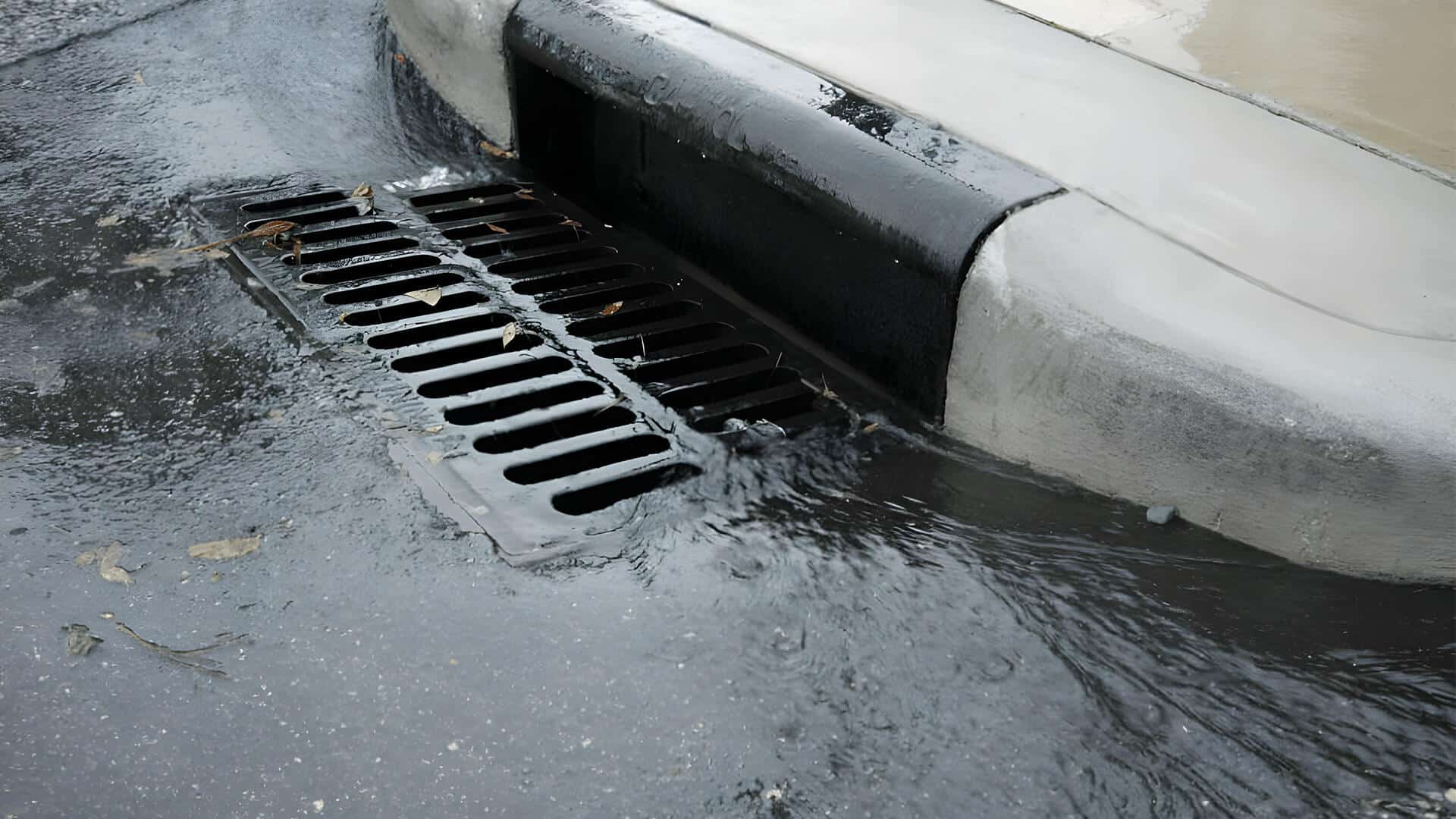
Who is responsible for stormwater drains Victoria

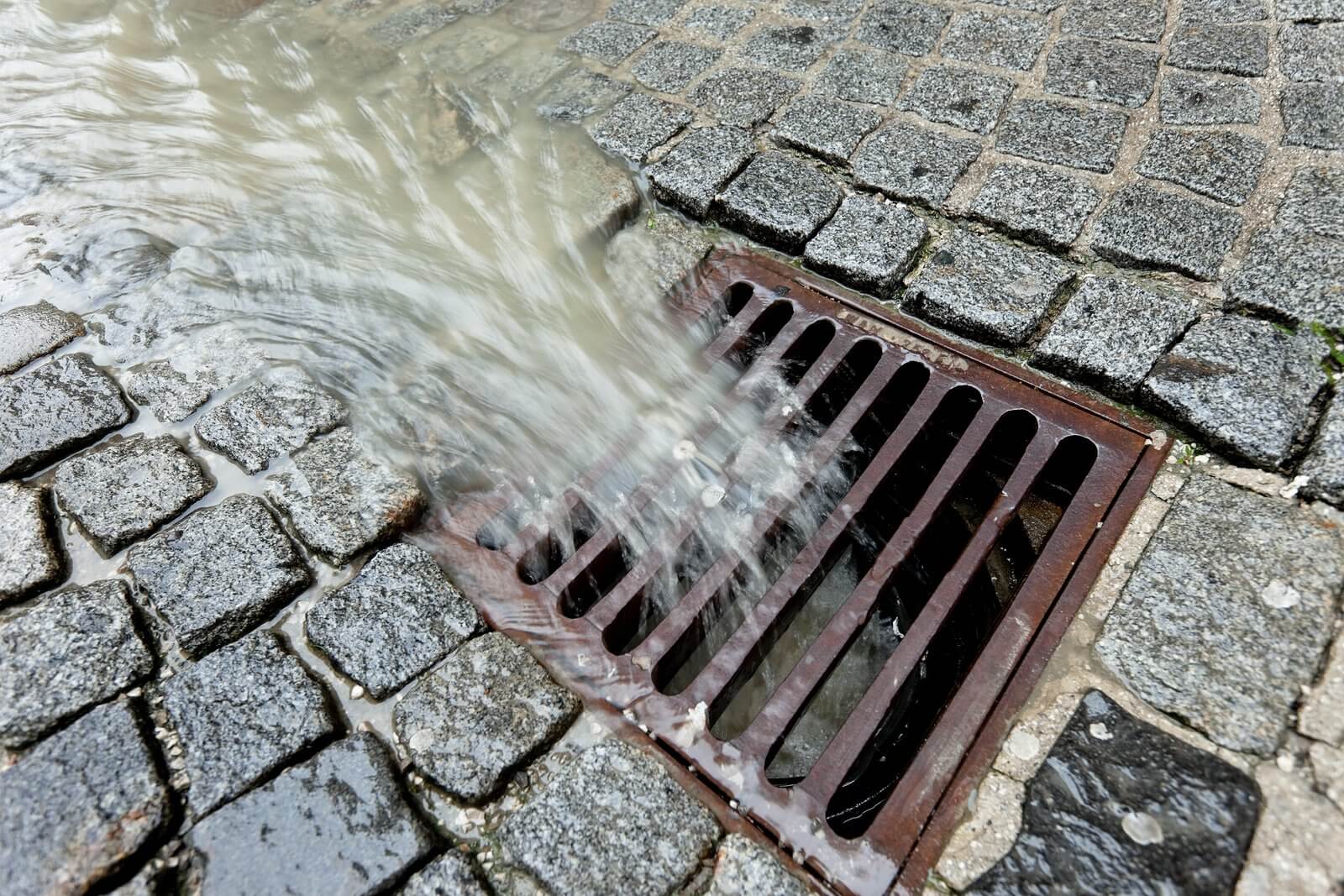
Have you spotted a pool of water in your yard after heavy rain? Maybe you’ve seen the wet stuff gushing from a blocked drain near your driveway. No matter what’s led you right here, it’s perfectly natural to wonder – who is responsible for storm water drains? Do you need to fix it, or is it the council’s problem? Let’s dive in.

In Victoria, as is basically the case in the rest of Australia, stormwater drainage responsibility is split between homeowners, local councils, and water authorities. But where does your responsibility begin and end? Knowing this helps you avoid unnecessary stress, unexpected costs – even potential legal issues!

In our guide, we’re going to break down:

  • Exactly what you’re responsible for as a homeowner
  • What’s handled by the local council or Melbourne Water and Barwon Water
  • And answer ‘How do I find stormwater pipes on my property VIC wide’ if you have no idea where to even begin!

Stormwater Melbourne and Geelong: Understand your responsibilities

Managing your stormwater is absolutely critical for preventing flooding, erosion, and property damage – particularly in Victoria! Our notoriously heavy downpours can overwhelm drainage systems in a flash. But understand this as well: Not all stormwater drains are your responsibility. Some responsibility belongs to the council, some to Melbourne Water or Barwon Water, and some to private developments.

So how on earth do you figure out what’s yours to deal with? Let’s break it all down step by step:

1. Start by identifying where the problem is

The first step in determining responsibility is locating where the drainage issue is occurring.

Is the issue on your property?: It’s most likely your responsibility. This includes gutters, downpipes, drains, and pipes that direct water away from your house.

Is the problem outside your property boundary?: It may fall under the responsibility of your local council or Melbourne Water and Barwon Water.

As a general rule of thumb, if the drain is within your property, it’s your responsibility. If it’s under a public road, a footpath, or a park, it’s the council’s responsibility.

2. How to find stormwater pipes on your property

Do you suspect a blockage, a leak, or overflow? You’ll need to locate your stormwater pipes before taking any further action. But how?:

Check your property plans: Your property’s drainage layout should be in the documents you received when buying or building your home.

Ask your local council: Councils keep drainage plans and can provide information about approved stormwater discharge points.

Use a pipe locator service: Some professional plumbers (like Fix-It Right Plumbing!) use advanced tools to locate stormwater pipes underground.

If your property lacks clear drainage plans, getting a professional to map out your stormwater plumbing can help prevent future flooding issues.

3. Who is responsible for stormwater drains on public land?

Once stormwater leaves your property, it flows into public drainage systems – and they’re managed by the local council or Melbourne Water and Barwon Water.

  • Local councils manage public drains and pits under roads, parks, and footpaths.
  • Melbourne Water and Barwon Water oversee major drainage networks and flood prevention infrastructure.

If you notice a blocked or overflowing drain on a street or public land, contact your local council – don’t try to fix it yourself!

4. Your responsibilities as a property owner

If your home’s stormwater system is blocked or not working properly, let us reiterate – You, yes you, are responsible for fixing it!

Your responsibilities include:

  • Maintaining gutters and downpipes, by regularly clearing leaves, dirt, and debris to prevent blockages.
  • Ensuring legal discharge of stormwater, because your property’s drainage must connect to a legal stormwater outlet, such as the council stormwater system.
  • Fixing damaged or blocked private drains, remembering that if a drain on your property is blocked, cracked, or collapsed, you need to arrange those repairs by yourself.

EXTRA TIP: If stormwater from your home is flooding a neighbour’s property, you may be legally liable for damages if your drainage system is faulty.

5. Understanding stormwater runoff regulations in Victoria

Did you know that redirecting stormwater incorrectly can get you into quite big trouble?

Victoria has super-strict stormwater runoff regulations that prevent homeowners from illegally discharging stormwater onto neighbouring properties or into natural waterways.

The stormwater runoff regulations VIC-wide force you to ensure that:

  • Your stormwater does not flow onto neighbouring properties (this can lead to disputes or fines).
  • All stormwater is directed into a legal point of discharge, as approved by the council.
  • Any alterations to your drainage system comply with council and plumbing regulations.

EXTRA TIP: Before making major changes to your stormwater drainage, check in with your local council to ensure compliance with often very strict stormwater laws.

6. Where does stormwater go after it leaves your property?

Have you ever wondered where stormwater goes once it leaves your property? Well, in Victoria, stormwater follows these paths:

  • From your roof and driveway into underground stormwater pipes.
  • Into council stormwater drains under roads or parks.
  • Flowing into larger Melbourne Water or Barwon Water-managed drainage systems.
  • Eventually discharging into rivers, creeks, or the ocean.

Proper stormwater drainage ensures water does not cause flooding, erosion, or environmental damage – which is why managing it correctly is so very important.

7. When to call a plumber for stormwater issues

Are you dealing with any of these problems at your place? The time may have come to call a professional Melbourne plumber or a Geelong plumbing specialist – like the friendly team right here at Fix-It Right Plumbing!

What are you dealing with?:

  • Blocked stormwater drains: Water pooling in your yard or near drains? You may have a blockage.
  • Flooding/erosion around your property: Poor stormwater drainage can cause major structural issues.
  • Water backing up inside your home: This could indicate a serious stormwater plumbing failure.
  • Unclear stormwater discharge points: If you’re unsure where your stormwater drains are, a plumber can easily help to locate and assess your system.

Get expert help for all your stormwater issues

Sure, understanding who is responsible for stormwater drains can clear up some of your confusion – remembering that these issues on your property are 100% your responsibility, which is a big deal.

But for expert help with:

  • Blocked or damaged stormwater drains
  • Stormwater pipe mapping & inspections
  • And ensuring legal discharge compliance.

Get in touch with Fix-It Right Plumbing ASAP if you need a Melbourne blocked drain plumber or a Geelong drainage specialist. Rest assured: We’ll find the problem, fix it quickly and affordably, and ensure your drainage system works properly for years and years to come.

Call us now for fast, expert, affordable stormwater plumbing solutions!

Sitemap

Filed Under: Blocked Drains, Educational Blog, How to guide

Step By Step, Let’s Deal With Any Outside Drain Blockage

By Richard Foster

How to unblock a drain outside
Blockages inside your home are frustrating enough – the kitchen sink water won’t go down, or the shower floor is horribly flooded. But blocked outside drains can be even more frustrating, and – worse still – cause even more damage. We’re talking about serious property damage, bad smells – even health hazards and worse. Whether it’s a simple slow-draining pipe, or you have an outside drain overflowing, or water is pooling like it’s the 100m Olympic freestyle final, these problems definitely need to be tackled ASAP!

The good news is that solutions exist, and you can often manage them on your own if the problem is straightforward. In this exclusive guide, we’ll explore how to unblock a drain outside – and let you know when it’s time to call in the professionals. Continue reading “Step By Step, Let’s Deal With Any Outside Drain Blockage” »

Sitemap

Filed Under: Blocked Drains

6 Simple Steps To Unblock A Sink With No Experience

By Richard Foster

How to unblock a sink drain

A blocked sink may be incredibly common, but that doesn’t make it any less of a frustrating household plumbing issue. Whether you’re rinsing off dishes or brushing your teeth, a clogged sink drain may not seem like a huge deal, but it can massively disrupt your day and even lead to unpleasant odours or water damage. Before you panic and call a plumber straight away, there are steps you can take to learn how to unblock a sink and tackle the problem yourself. With a little patience and some basic tools, no matter your skill level, you may just be able to fix the issue without spending a dime.

In our exclusive guide, we’ll walk you through how to unblock a sink drain – with practical advice for everyone from the not-so-handy to the moderately skilled. And if all else fails, don’t worry—our skilled and affordable Melbourne drain plumbers, Canberra blocked drain experts, and Geelong drain cleaning specialists at Fix-It Right Plumbing are just a call away.

Step 1: Remove standing water

Just want to unblock sink drains that are bothering you? Well, if your sink is clogged and filled with water, the first step is to clear it out.

For the not-so-handy: Use a small container or cup to manually scoop out the water into a bucket. Be patient and try to get as much as possible. If your sink is still slow to drain after this, don’t worry – this is just the beginning.

For the moderately handy: Consider using a wet/dry vacuum to suck up the water quickly and efficiently. It’s a brilliant way to unclog drain sinks, but you’ll obviously need the vac or need to borrow or rent one. But rest assured – these devices are great for removing excess water before tackling the blockage.

What a plumber would do: A plumber will assess the sink’s drainage system and use professional-grade tools to pump out water and start identifying the blockage.

Step 2: Inspect the drain for visible blockages

Many sink blockages are caused by food particles, hair, or grease that have built up over time.

For the not-so-handy: Remove the drain cover and use a torch to check for visible debris. If you can see the blockage, try pulling it out using a bent wire coat hanger or a pair of tongs.

For the moderately handy: Use a drain snake or a similar tool to probe deeper into the drain and dislodge clogs further down the pipe.

What a plumber would do: A plumber will use specialised equipment, such as a plumber’s auger or CCTV drain camera inspection, to locate and remove blockages deep in the plumbing system.

Step 3: Use boiling water

Sometimes, a clogged sink drain can be cleared with nothing more than boiling water.

For the not-so-handy: Boil a kettle of water and carefully pour it down the drain in stages. This works particularly well for blockages caused by grease or soap scum.

For the moderately handy: After pouring the boiling water, use a plunger to apply suction to the drain and help move the blockage along.

What a plumber would do: If boiling water and plunging aren’t effective, a plumber may flush the drain with high-pressure water or chemical solutions designed for tougher clogs.

Step 4: Create a DIY solution

Having trouble unclogging sink drains? Homemade remedies can sometimes work wonders for unblocking a sink.

For the not-so-handy: Mix one cup of baking soda with one cup of vinegar and then:

  • Pour the mixture into the drain
  • Let it sit for 15-30 minutes
  • Rinse with hot water.

This method is safe, natural, and surprisingly effective for minor clogs.

For the moderately handy: After applying the baking soda and vinegar solution, consider using a plunger to amplify the effect. The combination of the solution and suction can be very effective.

What a plumber would do: Plumbers may use professional-grade enzymatic cleaners or other advanced chemical solutions to dissolve tough clogs without damaging your pipes.

Step 5: Check the U-bend

How to unblock a sink with water in it? Sounds like the U-bend is the culprit! The U-bend or P-trap under the sink often traps debris and is a common source of clogs that fill up that sink and then overflow it.

For the not-so-handy: Don’t feel bad, because many of the not-so-handy of you out there wouldn’t and shouldn’t attempt this. For the adventurous:

  • Place a bucket under the sink to catch any water
  • Carefully unscrew the U-bend
  • Empty it out
  • Clean it thoroughly
  • Re-attach.

For the moderately handy: While cleaning the U-bend, use a flexible drain snake to probe deeper into the pipe and ensure the blockage is fully removed.

What a plumber would do: A plumber will dismantle and clean the U-bend with professional precision and inspect the entire pipe system for additional blockages or structural damage. Knowing how to unclog sink plumbing is never an issue for the guys in the know!

Step 6: Test the drain

Once you’ve tried a few methods, it’s important to test whether the blockage has been resolved.

For the not-so-handy: Run the tap and observe whether the water flows freely. If it drains smoothly, congratulations – you’ve successfully unblocked your sink!

For the moderately handy: Still not working? Don’t give up your journey into how to unblock the sink quite yet!

So if water still drains slowly, repeat one or more of the steps above to ensure the blockage is fully cleared.

What a plumber would do: How to unclog a sink? Calling a plumber is always the easiest and most thorough way! A licensed and experienced tradie will perform a thorough test of the entire plumbing system to confirm that all blockages are resolved and that your pipes are in good working condition.

When to call a professional

Tried everything? Hands dirty? Still unsure how to unblock a drain sink? It’s time to call in the experts. That’s because a persistent or severe blockage isn’t just annoying and potentially damaging, it may indicate a deeper and much more expensive and destructive problem – such as tree roots invading your pipes or a broken sewer line. Attempting to fix such issues yourself can lead to further damage and even bigger bills than you ever imagined.

Why choose Fix-It Right Plumbing?

Sink clogged? At Fix-It Right Plumbing, we specialise in solving all types of plumbing problems – including how to unblock a sink, how to unblock a drain, and so much more. With experienced and fully licensed Melbourne plumbers, Geelong plumbers, and Canberra plumbers, we’re always ready to help when DIY solutions fall short. We pride ourselves on fast response times, upfront pricing, and long-lasting solutions that give you peace of mind.

So don’t let a blocked sink disrupt your day, and instead give us a shout right here at Fix-It Right Plumbing. Our friendly team will have your plumbing running perfectly in no time.

Sitemap

Filed Under: Blocked Drains, How to guide

9 Signs You Have a Blocked Drain

By Richie

Your kitchen sink is slow to drain – You have been noticing for a while now that after doing the dishes or running the dishwasher, your sink is very slow to drain. Sinks can be one of the first places you will see signs of a blocked drain as they are frequently attached to the overflow

You have water sitting outside near your overflow grate – water in the overflow or near the grate is usually a sign the overflow has been working, and when it does its working because you have a blockage

Your toilet occasionally drains fully – that sipping sound that you’ve been seeing when you flush the toilet is not by chance. Toilets to this when the air flow through the pipes is disrupted by excess content inside your drain i.e. a blockage

You have sewage sitting in the back yard – sewerage in the back yard can come from the inspection shaft or boundary trap located in the yard. Most sewerage connections are in the rear yard of peoples properties. sewerage sitting around the area of connection (inspection shaft) is almost certainly caused by a blockage

You hear a gurgling sound when you have a shower – Because showers have the lowest drain point in the house, they can be susceptible to symptoms of a house blockage. Gurgling will usually occur here because the airflow has been interrupted inside the drain

Flushing the toilet makes a noise – you can also hear the gurgling sound inside the toilet. Toilets are usually the first places that signs of a blockage will occur simply because of the large amount of water used when flushing.

Your shower backs up when you use your basin – when you have multiple fixtures that are backing up, its usually a sign the connecting drain is blocked

Your toilet takes a while to drain – when a toilet backs up, the water will eventually go down, however this can take anywhere from a few minutes to well over a few hours depending on how bad your blockage is

You have a foul smell outside – unusually smelly drains especially outside is a sign that your drains are not functioning correctly.

If you have seen one or have a few of these things happening in your home an your hoping it will go away, chances are it won’t. Severe blockages rarely clear themselves and can be harder to clean if the drain is continued to be used.

Our expert professional plumbers clear blocked drains in Melbourne, blocked drains in Geelong and blocked drains in Canberra.

Sitemap

Filed Under: Blocked Drains

Fix-It Right Plumbing Team Attends Nexstar Network Training to Elevate Five-Star Customer Service Across Australia

By hyperdog-thanh

Fix-It Right Plumbing, Australia’s most trusted professional plumbing company, proudly announces that its team has recently attended Nexstar Network’s flagship Technical Training Program—a globally recognised initiative for in-home plumbing, HVAC, and electrical professionals. The intensive course, held in partnership with Nexstar’s expert trainers, empowers service professionals through a proven six-step program designed to deliver consistent five-star service to every customer, every time.

Fix-It Right Plumbing’s participation in this prestigious training underscores the company’s unwavering commitment to service excellence and continuous improvement. By investing in ongoing professional development, Fix-It Right Plumbing continues to raise the bar for customer satisfaction and technical expertise in Australia’s plumbing industry.

The Nexstar Network Technical Training Program is internationally regarded as one of the most effective service and leadership development platforms in the home services sector. The program provides technicians with in-depth, practical tools for communication, diagnostics, and customer engagement, ensuring every visit reflects professionalism, expertise, and trust.

“Our team’s experience with Nexstar’s training has been exceptional,” said a Fix-It Right Plumbing spokesperson. “It reinforces our commitment to delivering premium service and transparent solutions—whether we’re handling a blocked drain, a leaking tap, or a complex hot water system issue. This training helps us refine not only our technical skills but also the way we interact with customers, ensuring every experience is positive and stress-free.”

For Fix-It Right Plumbing, the Nexstar training marks another milestone in its journey of professional development and customer-focused innovation. The company’s highly skilled plumbers are fully equipped to manage a wide range of plumbing issues—from drain clearing and hot water access to burst pipes, leak detection, dripping taps, gas leaks, and drain relining. Each service is performed using fully stocked vans, transparent pricing, and a dedication to long-term solutions.

The Nexstar Technical Training Program goes beyond classroom learning, offering hands-on, scenario-based instruction that mirrors the challenges technicians face in the field. During the training, Fix-It Right Plumbing’s team members participated in interactive workshops that covered advanced diagnostics, efficient repair techniques, and customer communication best practices. The six-step service process emphasises clarity, respect, and reliability at every stage—from greeting the customer to explaining solutions and completing each job with precision. The training also reinforces key safety and compliance standards, ensuring all services—from drain clearing to tap repairs—are performed to the highest professional and regulatory benchmarks.

“Our customers trust us because we show up prepared, communicate clearly, and deliver lasting results,” the spokesperson continued. “Nexstar’s training perfectly aligns with our philosophy: it’s not just about fixing a problem—it’s about providing an exceptional experience that leaves the customer feeling valued and confident in the work we’ve done.”

Fix-It Right Plumbing’s investment in professional training and customer care has earned it widespread recognition throughout Australia. On its Melbourne Google Business Profile, the company proudly holds a 4.9-star average rating from more than 3,000 genuine customer reviews. Clients consistently praise the team’s responsiveness, courteous service, and attention to detail, reinforcing Fix-It Right Plumbing’s standing as one of the country’s most reputable plumbing providers.

With the completion of the Nexstar Network training, the company is poised to deliver an even higher level of excellence—continuing to set industry benchmarks for reliability, integrity, and five-star service.

Since 2007, Fix-It Right Plumbing has become one of Australia’s most popular and highly rated professional plumbing companies, serving homes and businesses across Melbourne, Geelong, and Canberra. The company’s mission is simple: to make plumbing problems easier to handle by providing honest advice, expert workmanship, and exceptional service.

From blocked drains and drain clearing to hot water systems, gas leaks, and leaking taps, Fix-It Right Plumbing delivers comprehensive solutions that keep homes safe and comfortable. The team is composed of qualified, experienced plumbers who work from fully stocked service vehicles, ensuring each job is completed efficiently and to the highest standard.

To learn more about Fix-It Right Plumbing’s services or to book a qualified plumber in Melbourne, Geelong, or Canberra, visit www.fixitrightplumbing.com.au.

RECENT NEWS: Fix-It Right Plumbing Unveils Refreshed Logo as Part of Ongoing Growth

Sitemap

Filed Under: Blocked Drains, skilled plumbers

Copyright © 2026 · Fix-It Right Plumbing

[brb_collection id=25646]